

Gary and Marla Marsh, lifelong missionaries, began their ministry among the Indigenous people on Fort Peck Reservation in the early 2000s. Although not an overseas “mission field,” this region is just as important and comes with many of the same challenges.
The social, economic and spiritual needs of the Sioux and the Assiniboine tribal nations are great. Alcohol, tobacco, drugs, depression and suicide are big problems, as well as a variety of health issues — more than 50% of the people on the reservation are diabetic.
But how did the Marshes end up on this reservation in the middle of nowhere?
“My son and daughter-in-law worked for Indian Health Services for a couple of years to help pay off her school bill. We came out to visit them, and then in 2008 we returned for a mission trip to Fort Peck Reservation. We returned at Christmastime to give gifts to the kids that attended the Vacation Bible School program," said Gary.
"We also made friends with Kenny Smoker, who was in charge of the Health Promotion Disease Prevention program for the tribes. In 2009, we came back again, and people started asking us, ‘Why are you here — there’s nothing out here?’ We told them we wanted to make friends, to get to know them," remembered Gary.
Finally, the Marshes made the great leap of faith. In 2012, they left their comfortable retiree life in Michigan to permanently settle on the reservation. “The people don't trust very easily,” explained Marla. “Before you can do anything, you have to gain their trust and win their friendship.”
The Marshes took their friendship-building approach seriously. Marla participated in quilting and beading classes at the local community college while Gary visited the jail to show the Native New Day video series. Together they began conducting cooking schools and holding Diabetes Undone seminars. Gary taught diabetes classes at the community college. Between 2012 and 2018, they also had an active jail ministry.
Some of their work involved cleanup projects — Gary was even a garbage collector for a while. They painted Chelsea Presbyterian Church, inside and out, which had been built back in the early 1900s; they also did a lot of maintenance on the building. Later, they put a metal roof on the church.
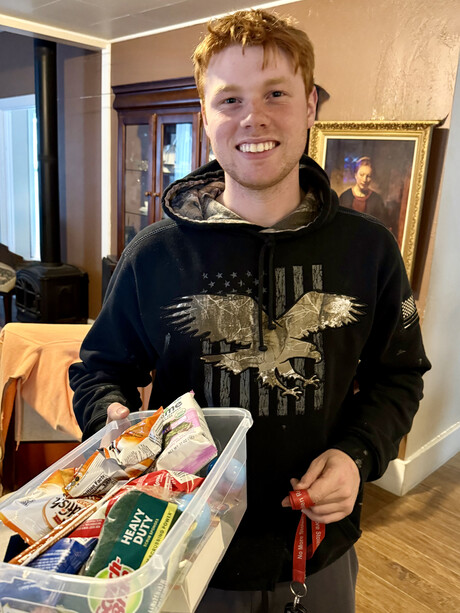
“The Natives often need a meal,” observed the Marshes. “They need fellowship, so that's part of what we do. We feed them at the end of a Bible study on Sabbath afternoons. Right now, a lot of the people that come to us are street people. These people will sometimes do things to become arrested and be sent to jail just so they can have a place to sleep, a shower and some food, especially in the winter when the temperatures drop to minus 40 degrees.”
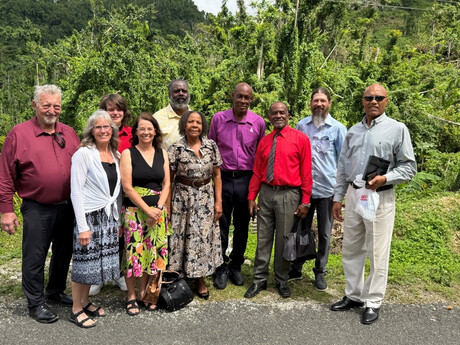
After a few years, David and Cindy White joined the work on the reservation as Montana Conference volunteers. Together, the team has served the community.
In the November 2025 edition of Frontiers Magazine, David told a story about “a man [who] recently came to our home asking if I knew anything about the new church on the other side of town. ‘Yes!’ I said. ‘I am a member of that church.’ He admitted he had been attending infrequently but was interested. Then he quietly asked, ‘What do I have to do to get God to like me?’ I assured him that God already liked him, and I told him about his friend Jesus.”
Gradually, the Native people have been opening up and learning to trust. The journey has been slow, but the team has been persistent and feels a deep love for the people around them.
Living Hope Center
About a decade ago, as work on the reservation progressed, the Marshes began looking for a place to meet with interested people. They finally found a piece of property that was three city lots in one. Each lot was selling for $7,000 to $10,000, but miraculously they were able to get all three for only $6,000! However, they had a huge amount of cleanup to do because the property had become a convenient place for people to dump trash.
They wanted this center to be more than just a church that meets on Saturday or once a week for prayer meeting. They wanted a center of influence that would address some of the issues on the reservation. The Marshes talked to Andrews University School of Architecture — which had drawn up building plans for a number of churches in South America — and asked them if they would do it for a mission in the U.S. They agreed.
In order to make the dream of a center of influence a reality, a number of people and church entities worked together in the construction of a building.
“People from all over the U.S. have worked on that little building,” Marla commented. “It's a group effort. Village Church in Berrien Springs, Michigan, took one of the lead construction roles. Building teams from Spirit Lake, Idaho, and Ronan, Montana, have also come here on mission trips over the years. Montana Conference and North Pacific Union have greatly assisted in the project. It's not a cheap building — it’s made very well and looks beautiful inside. The people love to go inside.”
Of course, it wasn’t all smooth sailing! In early 2022, the weather dropped to minus 35 degrees for three weeks, causing the building’s furnaces to fail. Three water pipes in the basement burst and all the drywall in the basement had to be removed and replaced. But the work kept moving forward.
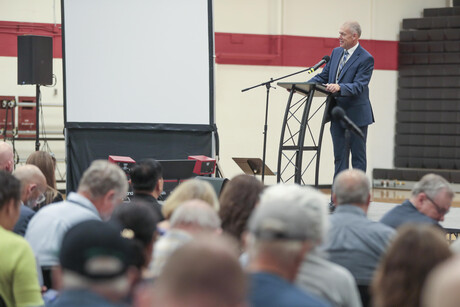
When the building was finally completed, the official dedication took place on the first weekend of June 2026. On Friday evening, June 5, 2026, the service began with a panel discussion of the history of the center, followed by the dedication message by Jim Jenkins, Montana Conference president. Others present included Joseph Story, district pastor; Dennis Page, formerly from Berrien Springs Village Church and lead builder of their church’s work on the building; and Steve Huey, NPUC Native ministries director.
The Sabbath program hosted a Native spiritual gathering — a camp meeting as we call it — with speaker Brian Cladoosby of the Swinomish Nation in western Washington. Cladoosby is a Lummi Church elder and was Swinomish Reservation chief for 23 years. It was a beautiful and impressive meeting.
From beginning to end, the workers laboring in this challenging mission field have been persistent in following God’s providence as He opens the way. Living Hope Center is a key part of being a “light on a hill” where people can come to receive food, encouragement, friendship and hopefully something even more enduring. Pray that God will water the seeds being sown so that many of the Native people on Fork Peck Reservation can experience the healing, liberating power of the gospel!

Living Hope Center is a key part of being a “light on a hill” where people can come to receive food, encouragement, friendship and hopefully something even more enduring.

Local members gather for a meal together at Living Hope Center.

Joseph Story, district pastor, teaches a lesson on Sabbath afternoon.

The weekend of celebration begins with a panel discussion of the history of the center.

Brian Cladoosby, Lummi Church elder, speaks during the dedication service.